FOLO

A collaborative tool for planning trips with family and friends

The problem

Collaborative trip planning with family & friends is challenging

Lack of collaborative tools

Though trip planner apps exist, they don’t take into consideration the interaction required between users while planning a trip.
Existing tools don’t support real-time interaction, ignoring the interaction required between users while planning a trip

Planning is fragmented

There are many platforms people use to create one trip. Group trip planning is even harder and can be overwhelming

Overview

Folo.Travel an AI based travel-planning tool that simplifies the process of planning a trip with family and friends by creating a centralized, collaborative platform where users can generate trips, plan, discuss, and personalize a trip itinerary together.

Role
Lead product designer
Industry
Pre-seed travel-tech B2C
Scope
As the sole designer, I shaped the product from concept to a cohesive MVP experience
Methodology

The process

To ensure current design decisions were grounded in reality, it was my priority to connect concepts with user needs. I conducted user research and testing to understand users existing expectation, and reveal opportunities for where our product could take them next.

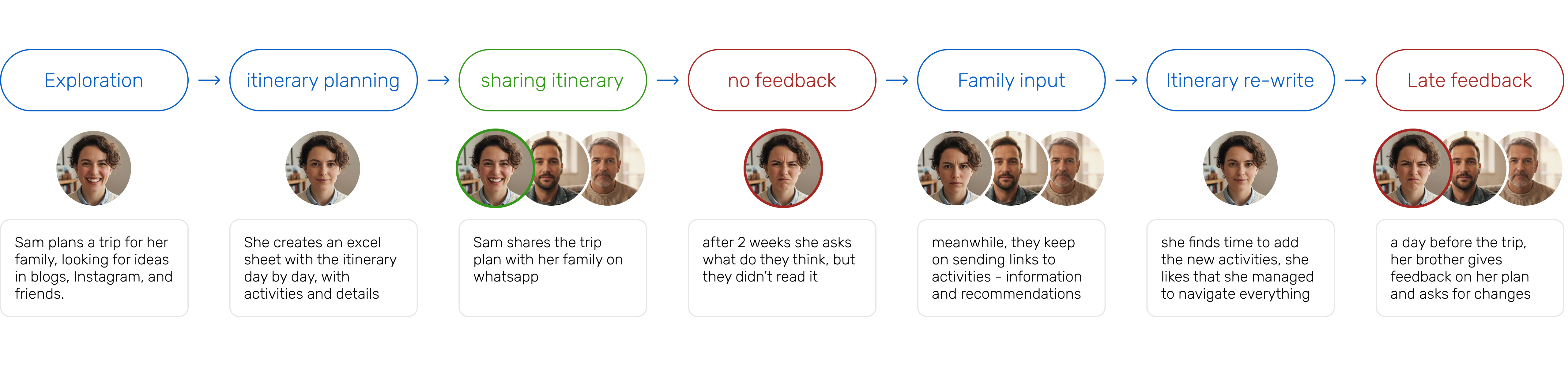
How does the experience of planning a trip together really look like today?

What tools do they use?

What are the pain points and the delights?

How do users plan trips with family and friends?

What tools do they use?

What tools do they use?

What are the pain points and the delights?

How does the experience of planning a trip together really look like today?

How do users plan trips with family and friends?

What tools do they use?

User research
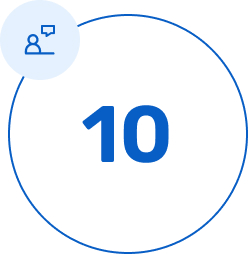
In-depth
interviews
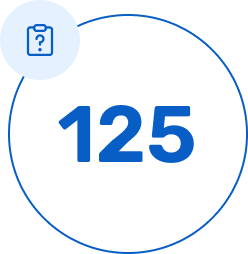
Survey
Participants
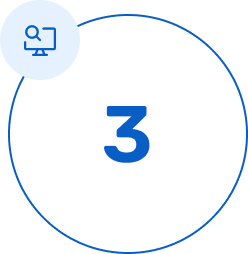
Digital observation
platforms
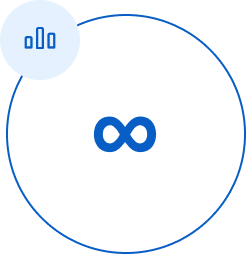
Compatitive analysis
platforms
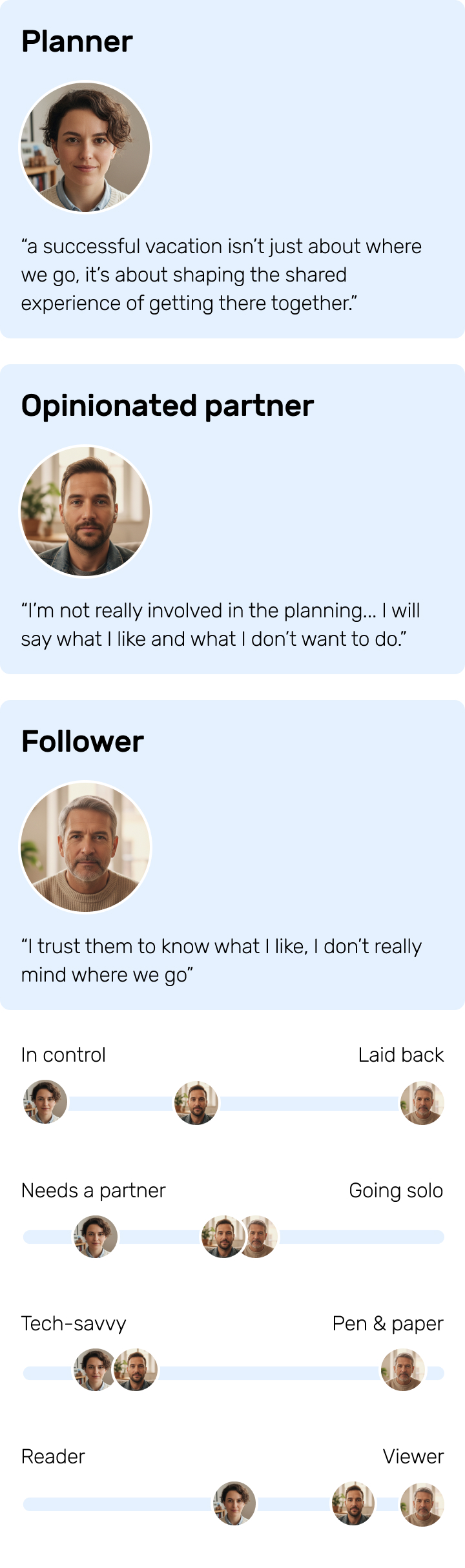
Meet the travelers

Design

Insights turned into design principles & product decisions

Interactivity

Planning is a shared journey that should be both functional and fun. Adding Interactive elements engaging, social experience, actively encouraging participation and reducing friction between partners

Visualization

Presenting information in a visually digestible, inspiring and engaging visual format

Design for Uniqueness

A flexible design, allowing personalization to ensure the product adapts specifically to this trip and these travelers, not just a generic one

Inspiration

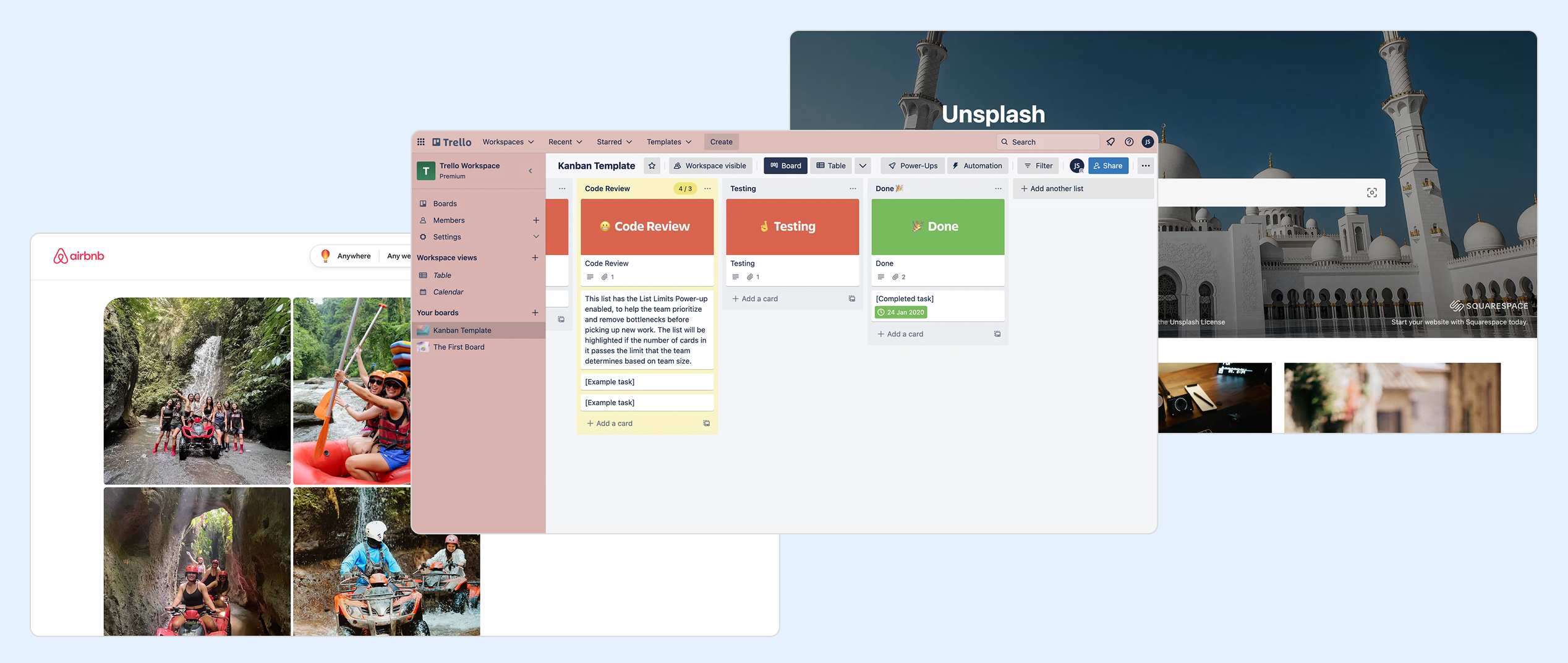
Visual project management platforms set the ground for a collaborative, transparent environment, enabling users to treat travel not as a date on a calendar, but as a shared project. By blending the structured workflows of tools like Trello with the intuitive UX of industry leaders like Airbnb, the design created a space that feels both organized and familiar.

To elevate the experience, I was inspired by visual platforms like Shutterstock and social media, prioritizing high-fidelity imagery to ensure the beauty of the destination drives every step of the planning process.

The solution
  • The trip comes to life

  • A live itinerary where everyone can edit, comment, and plan together in real time, bringing the trip to life with images, maps, and a clear day-by-day view.

Generating a trip

Adapting to THIS trip

to adjust to the needs of each trip, recognizing “elderly” as a distinct option ensures representation and encourages thoughtful, inclusive planning.

Dual modes of input (natural language prompt + selectable tags) give both casual users and power users efficient personalization.

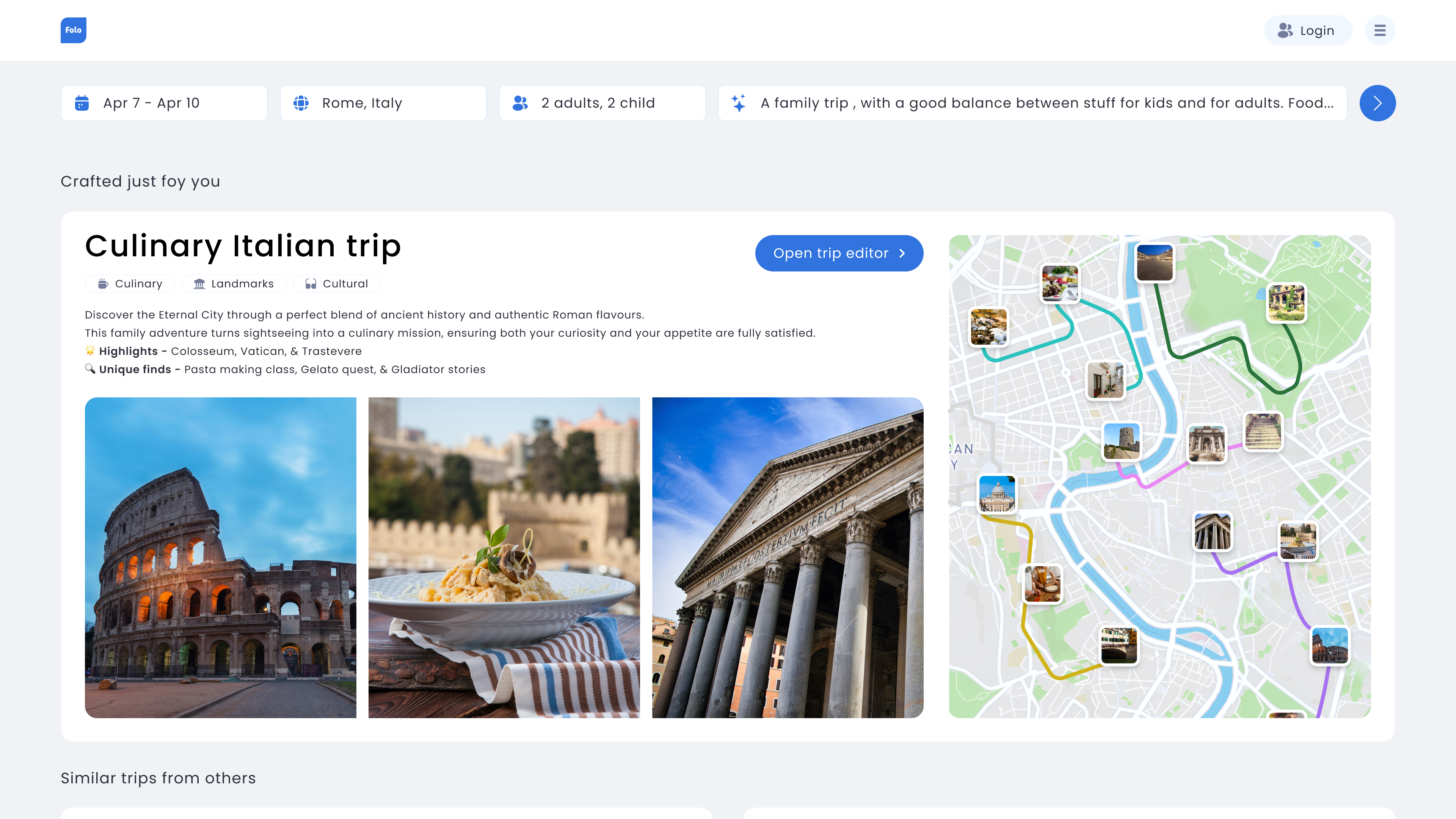
Suggested trip

Visual generation

An instant overview of the generated trip. Maps and highlight images mirror how people naturally think about trips- as experiences and places, not long lists.

Itinerary page

Mutual experience

Drag and drop feature as an engaging way of planning

A visual itinerary overview - accessible and appealing to different users

Activity view

Communicate easily

Commenting and visual cues encourage communication between planners

Impact

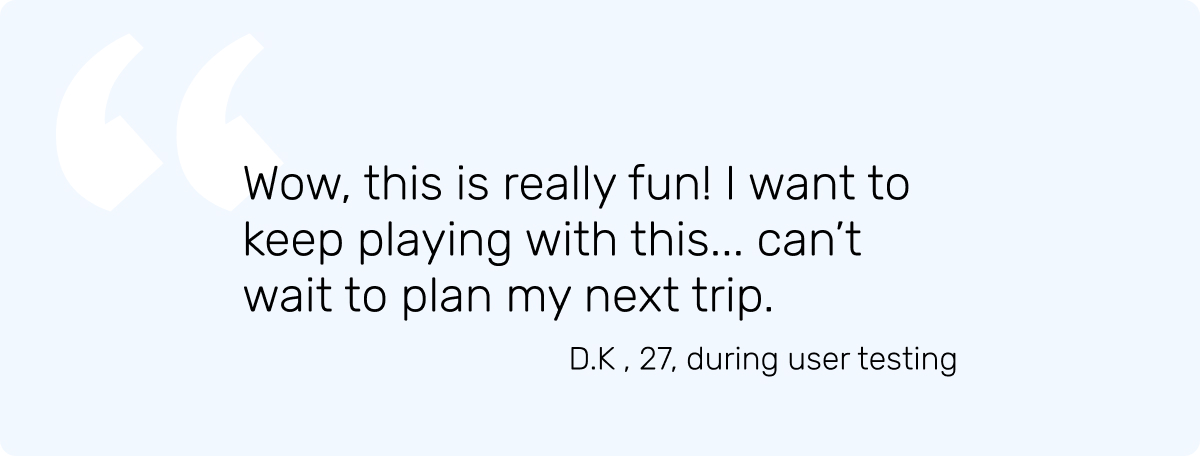
  • Interactive & visual planning excited users

  • Testing through the design process showed users responded positively to the trip planning page, and mentioned they would like to have this as a shared experience with fellow travelers.The MVP version came out on mobile and desktop, inviting users from around the world to start planning their trips together.

What did I learn?

1.

Building a product from the ground up

Being part of the core team I had to define both the process and the product. It taught me how to advocate for users while staying aligned with business priorities

2.

The importance of real user feedback

I learned how essential it is to validate assumptions quickly, even a simple prototype can reveal fundamental usability and flow issues

3.

Quick adjustment to technological developments

Designing with emerging AI required constant adaptation. I learned to stay flexible, thinking beyond the technology’s current state and considering how the product can evolve as capabilities mature.